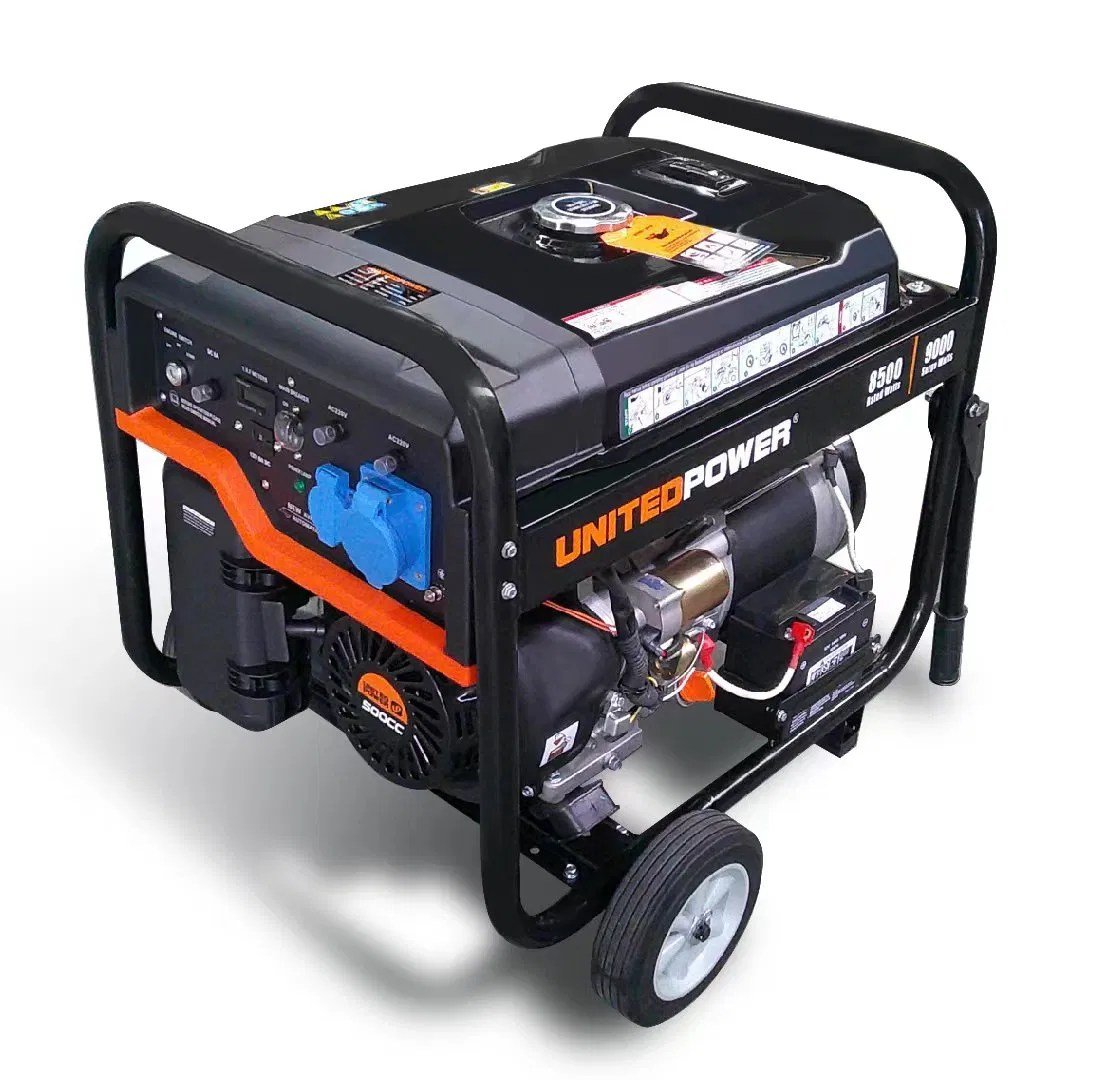
In an age where power outages are becoming an unwelcome norm, having a reliable backup system isn't a luxury; it's a necessity. If you're looking to safeguard your home against unexpected grid failures, understanding the Key Features & Buying Considerations for 10kW Generators is paramount. These generators strike a "sweet spot" for many homeowners, offering robust power without overwhelming your property or budget. But with various types, fuel options, and smart features, how do you choose the right one?
Consider this your definitive guide—authored by someone who's seen the grid fail and understands the peace of mind a well-chosen generator brings.
At a Glance: Your 10kW Generator Essentials
- Capacity: 10,000 watts, ideal for 1,500–3,000 sq ft homes.
- Purpose: Powers essential circuits like HVAC, refrigeration, lights, well pumps, and even central AC during outages.
- Best Type: Automatic standby generators are recommended for hands-free home backup.
- Fuel Options: Natural gas offers convenience; propane provides long-term storage; diesel is efficient but has higher upfront costs.
- Key Feature: An Automatic Transfer Switch (ATS) is crucial for safe, seamless operation.
- Installation: Requires professional electricians and gas fitters, plus permits.
- Investment: Expect $4,000–$7,000+ total for unit and professional installation.
The 10kW Generator Sweet Spot: Your Home's Power Backstop
A 10kW home generator is a powerhouse designed to keep your average-sized home running smoothly when the grid gives up. "10kW" simply means it can produce up to 10,000 watts of continuous power – a significant amount that covers far more than just a few lights. For homes ranging from 1,500 to 3,000 square feet, this capacity is often considered ideal.
Imagine this: the lights flicker, then darkness. Your 10kW generator, correctly installed, springs to life, powering vital circuits. This includes critical appliances like your refrigerator and freezer, ensuring food safety. It can keep your HVAC system running, maintaining comfortable indoor temperatures whether it's a winter chill or summer heat. Essential comforts like lights, your Wi-Fi router, and even a well pump or sump pump stay operational. Many 10kW units can even handle a central air conditioning unit, provided other major appliances aren't running simultaneously.
Why the sudden focus on backup power? Recent data paints a clear picture: power outages in the U.S. have surged by nearly 60% over the past decade. Extreme weather events, aging infrastructure, and increased demand all contribute to a less reliable grid. A 10kW generator offers an optimal balance: enough power for essential loads, a relatively compact design, and a cost-effective solution compared to larger, whole-house systems.
Deciphering Generator Types: Why Standby Shines at 10kW
Not all generators are created equal, especially when it comes to powering a home for extended outages. For a 10kW setup, understanding the differences is crucial.
Standby Generators: The "Set-It-and-Forget-It" Solution
When we talk about robust home backup at 10kW, we're almost always talking about standby generators. These units are permanently installed outside your home, much like an AC unit. They connect directly to your home's electrical system via an Automatic Transfer Switch (ATS) and tie into your natural gas line or a dedicated propane tank.
Here's why they're the gold standard:
- Automatic Operation: When grid power fails, the ATS detects it and signals the generator to start—all hands-free. Power is restored to your home within 10–30 seconds, seamlessly.
- Reliability: Designed for continuous operation over many hours or even days, essential for extended outages.
- Safety: Hard-wired installation eliminates the need for extension cords running through windows, reducing fire and carbon monoxide risks.
- Weatherproof: Housed in durable, weather-resistant enclosures, they operate reliably in rain, snow, or extreme temperatures.
Portable Units: Limited by Design for True Backup
While some portable generators claim 10kW (often a peak output, not continuous), they are generally unsuitable for unattended, long-term home backup.
- Manual Operation: You have to manually start them, drag them out, and connect them, often in bad weather.
- Safety Hazards: Requires running extension cords, or a manual transfer switch (which still requires manual operation), increasing risks.
- Fuel Dependency: They run on gasoline or small propane tanks, requiring frequent refueling, which can be dangerous and inconvenient during an outage.
- Noise: Typically much louder than modern standby units.
Inverter Models: Great for Clean Power, Less Common at 10kW
Inverter generators provide incredibly clean, stable power—perfect for sensitive electronics. However, true 10kW inverter models are quite rare for single residential units, usually topping out around 7-8kW for consumer-grade models. While you can parallel smaller inverter units to achieve higher output, this adds complexity and cost, making them less practical for a primary 10kW home backup solution compared to a dedicated standby generator.
Essential Features: What Makes a 10kW Generator Truly Effective?
Choosing a 10kW generator goes beyond just its power rating. The features it offers determine its reliability, ease of use, and overall value.
Continuous vs. Peak Output: Know Your Numbers
This is arguably the most critical specification. When a manufacturer states "10kW," ensure it refers to continuous running wattage, not just peak or surge wattage. Electric motors, like those in your HVAC or refrigerator compressor, demand significantly more power (2-3 times their running wattage) for a brief moment when they start up. A generator with 10kW continuous output can handle these surges while still maintaining power to other appliances. Always confirm continuous output for accurate load assessment.
Fueling Your Resilience: Natural Gas, Propane, or Diesel?
The fuel source for your 10kW generator is a major consideration, impacting convenience, storage, and cost. For comprehensive insights, you might want to learn more about 10000 generators and their various fuel options.
- Natural Gas:
- Pros: Highly convenient as it taps directly into your home's existing gas line, offering an unlimited fuel supply during most outages. No need for on-site storage or refueling. Burns cleaner than diesel.
- Cons: Dependent on the utility's natural gas infrastructure, which can be interrupted during severe disasters (e.g., earthquakes, major storms). Can be less fuel-efficient than propane or diesel.
- Propane (LP Gas):
- Pros: Stored in large tanks on your property, providing an independent fuel source that isn't reliant on utility lines. Stores indefinitely without degradation. Burns cleaner than gasoline or diesel, resulting in lower emissions and less engine wear.
- Cons: Requires dedicated on-site tank storage, which needs space and can be an aesthetic consideration. You must monitor tank levels and arrange refills. Propane can be more expensive per gallon than natural gas.
- Diesel:
- Pros: Extremely fuel-efficient and powerful, often offering longer run times per gallon. Diesel engines are renowned for their durability and longevity.
- Cons: Higher initial cost for the generator itself. Diesel fuel can "gel" in extremely cold temperatures, requiring special additives. Requires on-site storage, and the fuel can degrade over time. Emissions are generally higher than natural gas or propane.
For most residential 10kW standby generators, dual-fuel (natural gas and propane) or natural gas-only units are the most popular choices due to convenience and availability.
The Brain of the Operation: Automatic Transfer Switch (ATS)
An Automatic Transfer Switch (ATS) is non-negotiable for a home standby generator. This device is the intelligence behind your generator's automatic operation. When it senses a power outage, it safely disconnects your home from the utility grid and connects it to the generator. When utility power returns, it reverses the process. This ensures:
- Safety: Prevents dangerous "backfeeding" of electricity into the grid, which could injure utility workers.
- Seamless Transition: Automates the entire process, so you don't have to lift a finger.
- Compliance: An ATS must be UL-listed and properly sized for your electrical panel, typically installed by a licensed electrician.
Built for the Elements: Durable Enclosure
Since your 10kW standby generator will live outdoors, its enclosure is vital. Look for units with weather-resistant enclosures, typically rated NEMA 3R or equivalent. This means it's designed to protect internal components from rain, snow, sleet, ice, and dust, ensuring reliable operation in all conditions. Quality enclosures also help dampen engine noise.
Smart Monitoring & Maintenance Alerts
Modern 10kW generators often come equipped with smart features that bring convenience and peace of mind. Many offer Wi-Fi connectivity, allowing you to monitor the generator's status, fuel levels, and run times via a mobile app on your smartphone or tablet. You can receive real-time alerts for maintenance needs, diagnostic issues, or even simply when the power is out or restored. This proactive approach helps you stay informed and ensures your generator is always ready.
Warranty & Service Network
A generator is a significant investment, so a robust warranty is crucial. Aim for a minimum 3-year warranty that covers parts and labor. More importantly, research the manufacturer's local dealer and service network. Knowing that trained technicians are available for installation, routine maintenance, and repairs in your area can save you headaches down the line. Top brands usually have extensive networks.
Noise Levels: Be a Good Neighbor
Generators make noise. For residential zones, this is a key consideration. Modern 10kW standby generators feature quieter engine designs and sound-dampening enclosures. Look for units that operate under 70 dB at 23 feet—a good benchmark for minimizing disturbance to your household and neighbors. Some premium models boast even lower decibel ratings. Local zoning regulations often impose specific noise limits, so be sure to check yours.
The Upsides and Downsides of a 10kW Standby System
Every significant home investment has its pros and cons. A 10kW standby generator is no different.
Advantages: Peace of Mind, Uninterrupted Living
- Reliable Power: Supports essential household circuits, keeping life comfortable during prolonged outages. No more scrambling for flashlights or worrying about food spoilage.
- Automatic Operation: The "set it and forget it" nature provides true peace of mind. Your power comes back on automatically, whether you're home or away.
- Durable Construction: Built to last, with lifespans often exceeding 20 years with proper maintenance. These are not disposable appliances.
- Increased Property Resilience: Enhances your home's ability to withstand unforeseen events and can even qualify for insurance discounts in some areas.
- Safety: Hard-wired installation is far safer than portable units.
Disadvantages: Investment & Installation Specifics
- Higher Initial Investment: The upfront cost for a 10kW standby unit and professional installation is significant, typically ranging from $3,000 to $6,000+, potentially reaching $8,000 for premium models with complex setups.
- Professional Installation Required: This isn't a DIY project. It requires licensed electricians for electrical hookups and an Automatic Transfer Switch, and plumbers/gas fitters for fuel line connections.
- Load Limitations: While powerful, a 10kW generator may not support every appliance in a fully electric home simultaneously without load-shedding. For example, running an electric water heater, electric dryer, and central AC all at once might exceed its capacity. This needs careful planning.
- Permitting & Regulations: Installation is subject to local building permits, zoning regulations (e.g., setback rules from property lines, windows), and sound limits. Expect inspections.
- Maintenance: While automatic, it still requires regular maintenance (oil changes, filter replacements, monthly testing) to ensure readiness.
Budgeting for Power: Costs & Leading 10kW Generator Brands
Understanding the financial commitment is a crucial step in your buying journey.
What to Expect Financially
The cost of a 10kW generator is more than just the unit itself. Here's a typical breakdown:
- Generator Unit: A standalone 10kW generator can range from $2,500 to $4,000.
- Professional Installation: This is where the costs can vary significantly, usually adding $1,500 to $4,000+ to the unit price. Installation typically includes:
- Automatic Transfer Switch (ATS): Essential for safety and automation.
- Concrete Pad: A stable, level base for the generator.
- Electrical Wiring: Connecting the generator to the ATS and your home's electrical panel.
- Gas Line Extension: Running a dedicated natural gas or propane line to the generator.
- Permits & Inspections: Required by local authorities.
- Labor: For all the above.
- Total Project Cost: Expect a total outlay of $4,000 to $7,000 for a standard installation, with premium brands or more complex setups (e.g., long gas line runs, extensive electrical panel modifications) pushing towards $8,000 or more.
Trusted Names in 10kW Generators
Several reputable brands dominate the home standby generator market, each with a slightly different emphasis.
- Generac (e.g., Guardian 10kW):
- Reputation: Market leader, widely recognized, and often a good balance of features and price.
- Network: Extensive dealer and service network, making sales and service accessible.
- Consideration: While generally reliable, some users report mixed experiences with customer service, which can vary by dealer.
- Kohler (e.g., 10RESA):
- Reputation: Known for robust build quality, reliability, and often quieter operation than some competitors.
- Performance: Engines are typically very durable, designed for extended run times.
- Consideration: Often comes with a slightly higher price tag than Generac, reflecting its premium construction.
- Cummins (e.g., RS10A):
- Reputation: A powerhouse in commercial and industrial engines, bringing that durability to residential units. Known for exceptionally quiet operation and long lifespan.
- Quality: Premium components and engineering.
- Consideration: Generally positioned at the higher end of the price spectrum, but offers excellent longevity and low noise.
- Briggs & Stratton:
- Reputation: A well-known name in engines, offering reliable standby generators.
- Value: Often provides competitive pricing, making them a good option for budget-conscious buyers seeking dependable performance.
- Consideration: May not offer the same ultra-quiet operation as premium brands, but still meets residential noise standards.
All these brands typically integrate seamlessly with ATS units and offer mobile monitoring options.
Your Action Plan: Purchasing & Installation Checklist
Buying a 10kW generator is a multi-step process that requires careful planning. Follow this checklist to ensure a smooth, informed purchase and installation.
- Assess Your Power Needs Accurately:
- List all essential appliances you want to power (e.g., refrigerator, freezer, well pump, furnace, central AC, specific lights, Wi-Fi).
- Note their running wattage and, crucially, their surge wattage (especially for motor-driven appliances).
- Use an online load calculator or, better yet, consult a licensed electrician to perform a professional load calculation. This prevents oversizing (wasted money) or undersizing (insufficient power).
- Decide on the Right Generator Type:
- For automatic, unattended home backup, a standby generator is unequivocally the best choice. Portable units, while cheaper, are not designed for this level of reliability or safety.
- Select Your Fuel Type:
- Natural Gas: Convenient if you have an existing line and your utility is reliable.
- Propane: Offers independent fuel storage and indefinite shelf life. Requires a tank and monitoring.
- Consider which option offers greater fuel stability and convenience during emergencies in your specific location.
- Check Local Codes & Regulations:
- Before you buy, contact your local municipal building department.
- Inquire about permit requirements, mandatory setback distances from your home, property lines, and windows, and any specific noise ordinances (e.g., max dB levels). Compliance is mandatory.
- Choose a Reputable Brand:
- Research manufacturers known for reliability, product quality, and a strong service network (Generac, Kohler, Cummins, Briggs & Stratton are good starting points).
- Read reviews, but also focus on local dealer reputation.
- Budget for Professional Installation:
- Remember that the unit cost is only part of the equation. Allocate funds for the Automatic Transfer Switch, concrete pad, gas line extension, electrical work, and permits.
- Crucially, obtain multiple, itemized quotes from authorized dealers or certified installers. Compare not just the total price, but what's included in each quote.
- Avoid Red Flags:
- Be wary of units with unclear specifications (e.g., "10kW peak only" without continuous rating).
- Ensure the unit and ATS are UL-certified for safety and quality.
- Never consider a home backup generator without ATS compatibility.
- Avoid installers who suggest bypassing permits or cutting corners.
- Compare Quotes Thoroughly:
- Don't just look at the bottom line. Understand the scope of work, warranty coverage (both product and installation), and estimated timelines from each installer. A detailed quote helps prevent hidden costs.
- Consider Long-Term Costs:
- Factor in fuel efficiency (important for propane users), and the recommended maintenance schedule. While often overlooked, these add to the true cost of ownership.
Safety First & Keeping Your Generator Running Smoothly
Once you have your 10kW generator, keeping it safe and well-maintained ensures it's ready when you need it most.
Crucial Safety Measures
- Never Backfeed the Grid: This is paramount. The Automatic Transfer Switch is your lifeline. Directly connecting a generator to your household wiring without one can send electricity back into the utility grid, endangering utility workers who assume lines are dead. It's illegal and deadly.
- Carbon Monoxide Detectors: Generators produce carbon monoxide, an odorless, colorless, and deadly gas. Install CO detectors inside your home, especially near sleeping areas. Never run a generator in an enclosed space.
- Proper Placement: Ensure your generator is installed outdoors, in a well-ventilated area, adhering to all local setback rules (e.g., typically at least 5 feet from windows, doors, and property lines).
- Local Compliance: Always ensure your installation complies with all municipal permits, inspections, setback rules, and sound limits.
Regular Maintenance Tips
Your 10kW standby generator is an engine, and like any engine, it needs routine care to perform optimally.
- Annual Servicing: Perform oil and filter changes annually, or after every 100-200 hours of operation, whichever comes first. Refer to your owner's manual for specific intervals.
- Monthly Exercise: Most standby generators have an automatic exercise mode that runs the unit for a short period (e.g., 15-30 minutes) once a week or month. This keeps components lubricated, charges the battery, and ensures it's ready to go.
- Clear the Area: Keep the area around the generator clear of debris, leaves, and vegetation. This prevents blockages in air intake/exhaust and reduces fire hazards.
- Fuel Levels (Propane): If using propane, periodically check your tank levels to ensure you have an adequate supply.
Ready to Power On? Your Next Steps
Investing in a 10kW generator is investing in security, comfort, and peace of mind for your home. By understanding the critical features, choosing the right type and fuel, and planning for professional installation and maintenance, you're well on your way to a resilient home, prepared for whatever the grid throws your way.
Your immediate next step? Start with a thorough assessment of your home's power needs, then begin gathering quotes from reputable, certified installers in your area. Ask plenty of questions, compare your options carefully, and rest assured that you're making an informed decision that will serve your home for decades to come.