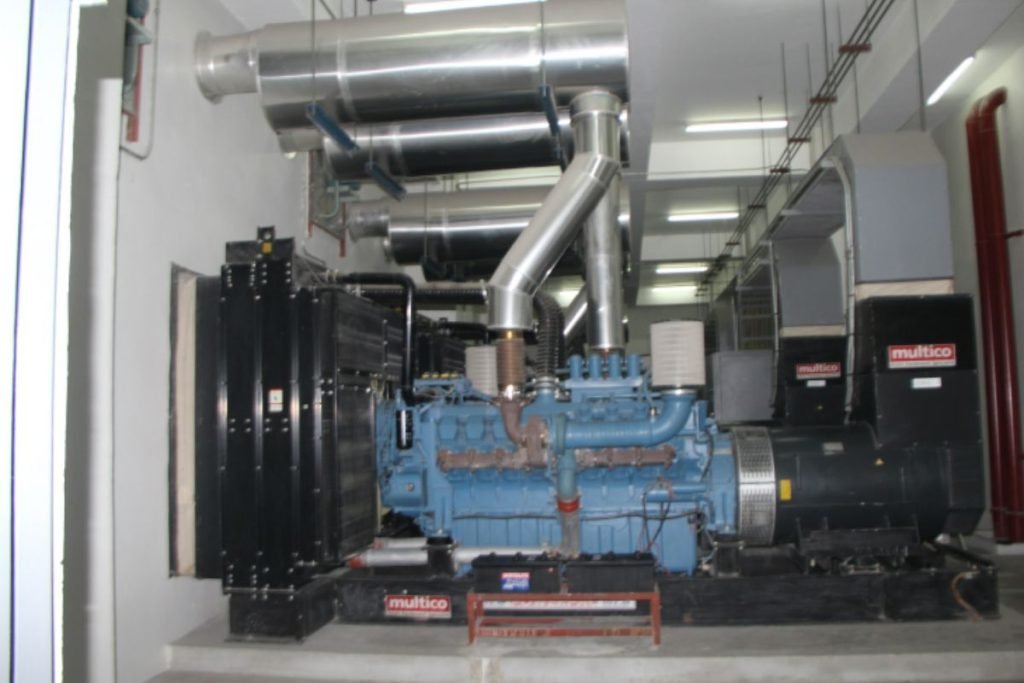
When the lights go out, whether due to a storm, grid failure, or simply being off-grid in your RV, a reliable power source isn't just a luxury—it's a necessity. Understanding the types of 10kW generators, particularly portable, standby, and inverter models, is crucial for anyone looking to secure their home, campsite, or mobile adventure. These powerful units are designed to keep your essential appliances humming, from refrigerators and air conditioners to sensitive electronics.
Choosing the right 10kW generator means navigating a landscape of fuel types, features, and operational nuances. My goal here is to cut through the jargon and give you the clear, actionable insights you need to make an informed decision, ensuring you're prepared for whatever comes your way.
At a Glance: Understanding 10kW Generators
- 10kW Power: Enough to run most essential home appliances simultaneously, including major items like an AC unit, refrigerator, lights, and charging devices.
- Main Types: Portable (mobility-focused), Standby (permanent home backup), and Inverter (clean, quiet, fuel-efficient power).
- Fuel Options: Gasoline, propane, natural gas, diesel, and even some newer options like hydrogen or solar. Dual-fuel models offer versatility.
- Inverter Advantage: Produces "clean energy" safe for sensitive electronics, operates quietly, and is highly fuel-efficient.
- Key Features to Look For: Power output (starting/running watts), fuel efficiency, runtime, portability, noise level, start method, and crucial safety features like CO detection.
- Cost & Maintenance: Prices vary significantly by type and fuel; standby generators require professional installation and regular maintenance.
Why 10kW? Powering Your World
Ten kilowatts (10kW, or 10,000 watts) represents a significant amount of power. It's often the sweet spot for many homeowners and RV enthusiasts who need more than just basic lighting. With a 10kW generator, you can typically power:
- A central air conditioning unit (usually 3,000-5,000 watts)
- A refrigerator and freezer (700-1,200 starting watts, 150-200 running watts)
- Lights throughout your home or RV
- A microwave oven (600-1,500 watts)
- Multiple TVs, computers, and charging devices
- A furnace fan
- Even well pumps or water heaters, depending on their individual wattage.
Essentially, a 10kW unit moves you beyond merely surviving an outage to maintaining a comfortable, functional lifestyle. But how that power is delivered, and what kind of setup it entails, depends on the generator type.
The Big Three: Portable, Standby, and Inverter 10kW Generators
While there are many generator classifications, for those eyeing the 10kW mark, the primary distinctions fall into three crucial categories: portable, standby, and inverter. Each offers unique advantages tailored to different needs and priorities.
Portable 10kW Generators: Power on the Move
Imagine needing robust power not just at home, but also for a remote job site, a large RV, or a family camping trip. That's where portable generators shine.
These units are designed for mobility. While a 10kW portable generator won't be as light as a smaller camping model (many can weigh over 200 pounds), they typically feature wheels and handles to make transport manageable. They are usually more affordable than their standby counterparts and are easier to store when not in use.
Key Characteristics:
- Mobility: Designed for easy transport, often with wheels and handles.
- Fuel Flexibility: Commonly run on gasoline or propane; dual-fuel options are popular.
- Affordability: Generally the most budget-friendly entry point for 10kW power.
- Versatility: Ideal for temporary power needs at various locations—home backup, RVs, outdoor events, construction sites.
- Trade-offs: Can be noisier than inverter models and may not offer "clean" power for sensitive electronics without an inverter system.
Standby 10kW Generators: The Permanent Power Guardian
For ultimate peace of mind, especially for whole-home backup, standby generators are the gold standard. These are much larger, semi-permanent installations, often resembling an outdoor AC unit, requiring professional setup.
Standby generators are wired directly into your home's electrical system and typically come with an automatic transfer switch. When grid power goes out, the generator detects it, starts up, and transfers the load to generator power—all without you lifting a finger. When grid power returns, it switches back and shuts down.
Key Characteristics:
- Automatic Operation: Kicks in automatically when an outage is detected.
- Whole-Home Power: Designed to power an entire home, including major appliances.
- Fuel Efficiency: Equipped with industrial-grade engines and large fuel tanks, often running on natural gas or propane for extended periods.
- Durability: Built for continuous, long-term operation during emergencies.
- Higher Investment: Significant upfront cost for the unit and professional installation.
- Maintenance: Requires regular professional maintenance to ensure readiness. Some even offer Wi-Fi connectivity for remote monitoring.
Inverter 10kW Generators: The Clean, Quiet Revolution
The market for inverter generators is booming, projected to grow at a CAGR of 6.23% from 2020-2025, and for good reason. Inverter generators are a game-changer, offering a sophisticated approach to power generation. While they can be portable or integrated into home systems, the "inverter" refers to their unique way of producing electricity.
Unlike conventional generators that produce power at a fixed engine speed, inverter generators produce high-frequency AC power, convert it to DC, and then invert it back to stable AC power. This multi-phase process results in what's known as "clean energy"—power with minimal harmonic distortion, making it perfectly safe for sensitive electronics like laptops, smartphones, and even medical devices.
Key Characteristics:
- Clean Power: Produces stable sine wave power, ideal for delicate electronics.
- Quiet Operation: Much quieter than traditional generators, often operating below 60 decibels (comparable to normal conversation).
- Fuel Efficiency: Their engines adjust speed to match power demand, consuming less fuel and extending run times. For instance, a 10kW inverter generator might consume as little as 0.5 gallons per hour at half load.
- Portability: Many 10kW inverter models are designed with wheels and handles, despite often weighing over 200 pounds, making them a powerful portable option.
- Advanced Features: Often include remote start, CO detection, and Cold Start Technology.
For a comprehensive dive into generators of this wattage, you might find our main resource, Your complete guide to 10000 generators, exceptionally useful.
Diving Deeper: The Benefits of 10kW Inverter Generators
Let's unpack why a 10kW inverter generator is often recommended as a top-tier choice for both home and RV use:
- High Power Output: Delivering 10,000 watts or more means you can run crucial appliances—refrigerator, AC, lights, and electronics—all at once.
- Whisper-Quiet Operation: Noise levels typically hover around 50-60 decibels, making them far less disruptive than older models.
- Exceptional Fuel Efficiency: By only using the power needed, they conserve fuel, providing longer run times on a single tank.
- Designed for Portability: While powerful, many 10kW inverter models integrate wheels and handles, making them surprisingly easy to move for their size.
- Pure, Clean Energy: Crucial for protecting modern electronics from power spikes and fluctuations.
- Multiple Outlets: Equipped with a variety of outlets (120V, 240V) to accommodate diverse power needs.
Essential Features to Look for in a 10kW Inverter Generator
When you're ready to invest, keep these features in mind:
- Power Output: Always verify both starting (surge) and running (continuous) wattage. Ensure the continuous output is 10,000 watts or more.
- Fuel Efficiency: Look for models that boast low fuel consumption rates, such as 0.5 gallons per hour at half load.
- Runtime: Consider how long it can run on a single tank. Many offer 8-12 hours at 50% load, with LPG options extending up to 20 hours.
- Portability: Even at 10kW, portability is key for many users. Check for sturdy wheels and robust handles.
- Noise Level: Aim for the 50-60 dB range for minimal disruption.
- Start Method: Electric start is a huge convenience, but a recoil start provides a reliable backup.
- Safety Features: Non-negotiable are low oil shutdown, overload protection, and critically, carbon monoxide (CO) detection systems that meet EPA standards.
- Warranty and Support: A 2-3 year warranty is standard and a good indicator of manufacturer confidence.
Recommended 10kW Inverter Generators
Based on industry research, the Champion 11,000-Watt Remote Start Inverter Generator stands out as a top pick for its balance of power, safety, and convenience.
- Core Strength: Features a dependable 459cc engine, offering 11,000 starting watts and 9,000 running watts.
- Extended Runtime: Can run for up to 15 hours at moderate loads.
- Quiet & Remote: Operates at a quiet 64 dBA (from 23 feet) and includes remote start capability up to 50 feet away.
- Safety First: Equipped with a CO Shield safety system for automatic shut-off.
- Cold Start Technology: Ensures reliable starting even in chilly weather.
- Versatile Outlets: Offers two 120V GFCI outlets, one 30A locking outlet, one 37.5A outlet, and a 12V automotive port.
While the Champion is excellent, another strong contender is the DuroMax XP11000iH 11,000-Watt Dual Fuel Inverter Generator. The Champion generally excels in noise management, ease of use, safety tech (like CO Shield), and faster startup. However, the DuroMax counters with dual-fuel capability (gasoline/propane), optional parallel capability, and a robust design, though it is heavier and potentially noisier. Your choice often comes down to prioritizing noise vs. fuel flexibility.
Fueling Your 10kW Powerhouse: A Look at Options
The type of fuel your 10kW generator uses impacts its efficiency, environmental footprint, cost of operation, and even its performance in various climates.
Gasoline Generators
The most common fuel type, especially for portable and inverter models.
- Pros: Generally lower initial cost, readily available, straightforward controls.
- Cons: Higher emissions, fuel is more expensive long-term than propane or natural gas, short shelf life for stored fuel. Consider dual-fuel options to mitigate some of these drawbacks.
Diesel Generators
Predominantly found in standby units, but some portable/inverter diesel generators exist.
- Pros: More efficient power output than gasoline, leading to lower fuel costs over time. Excellent durability and engine life due to diesel's low burning temperature. Can operate in freezing temperatures with winter-grade fuel.
- Cons: Higher initial cost, produce harmful emissions, can be loud.
Natural Gas Generators
Primarily used for standby generators, directly connecting to your home's gas line.
- Pros: Significantly lower emissions than diesel, extremely durable with years of life with proper maintenance, unlimited runtime if connected to a municipal line.
- Cons: High initial installation cost, can be vulnerable in extremely cold climates (gas lines freezing), not portable.
Propane Generators
Common for home use, available in both portable and standby designs.
- Pros: Easy to find and store (in tanks), effective in cold temperatures, burns cleaner than gasoline.
- Cons: Propane generally costs more than natural gas, burns faster than diesel, making it a more costly option for extended use.
Dual-Fuel Generators
Many 10kW portable and inverter generators now offer dual-fuel capability (typically gasoline and propane).
- Pros: Offers flexibility—use gasoline when convenient, switch to propane for longer storage or colder weather, or when one fuel type is scarce.
- Cons: Can be slightly more complex in design and operation.
Less Common, But Emerging Options
- Solar Generators: Ideal for small-scale portable needs (camping, emergency car use) due to renewable fuel. Whole-home solar is expensive and requires professional installation. Don't work in the dark and need batteries for reliable output. Not typically reaching 10kW for continuous output without massive (and expensive) arrays.
- Hydrogen Generators: A newer, high-tech option using fuel cells. They offer high power output, are sturdy, quiet, and impact-resistant. However, they are expensive and difficult to find due to limited market availability.
- Biodiesel Generators: An eco-friendly alternative using a mix of diesel and components like vegetable oil. Reduces reliance on nonrenewable fuels and lowers emissions. Good for short periods but fueling can be an issue during extended outages.
- Induction Generators: Primarily industrial, used in wind turbines or mini hydro plants. They require significant mechanical energy to start and have unstable wattage outputs and varying speeds, making them unsuitable for home use.
Making the Smart Choice: How to Pick Your 10kW Generator
Selecting the perfect 10kW generator involves a careful evaluation of your specific needs against the features and limitations of each type.
1. Assess Your Power Needs (Precisely)
Don't guess. List all the appliances and systems you absolutely need to power simultaneously during an outage.
- Calculate Running Watts: Add up the continuous wattage of all these items.
- Account for Starting Watts: Remember that motors (refrigerators, AC units, well pumps) require a higher "surge" wattage for a few seconds to start. This starting wattage can be 2-3 times their running wattage. Your generator's starting wattage capacity must exceed the highest combined starting load. Aim for a continuous output of 10,000 watts or more to comfortably handle your essentials.
2. Evaluate Key Features and Priorities
Based on your lifestyle, which features are non-negotiable?
- Noise Level: If you have close neighbors or plan to use it in a recreational setting, an inverter generator with noise levels around 50-60 dB is crucial.
- Fuel Efficiency & Runtime: For extended outages, longer runtime and lower fuel consumption will save you money and hassle. LPG options can provide up to 20 hours.
- Portability: Do you need to move it around, or will it be a fixed installation? Remember, 10kW portables can still weigh 200-300 lbs, so wheels and handles are vital.
- Start Method: Electric start is highly convenient, especially in an emergency.
- Safety Features: Prioritize models with low oil shutdown, overload protection, and especially carbon monoxide detection (CO Shield).
3. Analyze Brand Reputation and Support
Reliability is paramount for emergency equipment.
- Research Brands: Look into established brands like Champion, Honda, Yamaha, and Westinghouse, known for their reliability and customer service.
- Warranty: A 2-3 year warranty is typical and a good indicator of manufacturer confidence.
- Availability of Parts & Service: Can you easily find parts and service technicians for your chosen brand?
4. Consider External Factors
Your location and climate play a significant role.
- Fuel Availability: Is gasoline, propane, or natural gas readily available in your area, especially during an emergency?
- Climate: Will the generator operate effectively in freezing temperatures? Some models offer Cold Start Technology.
- Setup: Are you comfortable with a portable setup, or do you prefer the hands-off reliability of a professionally installed standby unit?
5. Budget and Regulations
- Cost: 10kW generators can range from $1,000 for basic portables to $3,000+ for advanced inverters and significantly more for standby units (including installation).
- Local Ordinances: Be aware of any local environmental or noise ordinances that might affect your choice or placement of a generator.
Beyond the Purchase: Installation, Maintenance, and Safety
Your generator is an investment in security and comfort. To maximize its lifespan and ensure it's ready when you need it, proper handling is key.
Professional Installation for Standby Units
If you opt for a standby generator, professional installation is non-negotiable. This involves connecting it directly to your home's electrical system and natural gas/propane line, installing an automatic transfer switch, and ensuring all local codes are met. This is a complex job best left to certified electricians and plumbers.
Regular Maintenance is Non-Negotiable
All generators, regardless of type, require regular maintenance.
- Check Oil Levels: Before each use and periodically.
- Change Oil & Filters: According to the manufacturer's schedule.
- Test Run: Start your generator monthly (for at least 20-30 minutes, under a light load) to ensure it's functioning properly and to keep parts lubricated.
- Inspect Fuel: Especially for gasoline, check for degradation or water contamination. Use fuel stabilizer for storage.
- Battery Check: For electric start models, ensure the battery is charged.
Prioritize Safety Features
Modern generators come with critical safety features:
- Carbon Monoxide (CO) Detection: Systems like Champion's CO Shield automatically shut down the generator if dangerous CO levels are detected. This is a life-saving feature.
- Low Oil Shutdown: Prevents engine damage by turning off the generator if oil levels drop too low.
- Overload Protection: Protects the generator and connected appliances from damage due to excessive load.
- Proper Ventilation: Always operate generators outdoors, away from windows and doors, to prevent CO poisoning.
Your Next Steps to Reliable Power
You've explored the diverse world of 10kW generators, from the grab-and-go convenience of portables to the silent, efficient power of inverters, and the unwavering reliability of standby units. You understand the fuel options, the crucial features, and the importance of safety.
Now, take that knowledge and translate it into action. Assess your personal power needs, consider your budget and lifestyle, and begin researching specific models that align with your priorities. Whether you're safeguarding your home against unforeseen outages or powering your adventures off the beaten path, choosing the right 10kW generator is a pivotal step toward energy independence and peace of mind. Get empowered, stay safe, and enjoy uninterrupted power.